
Why the diagnosis matters
Pattern hair loss, temporary shedding, autoimmune hair loss, scarring alopecia, traction, nutritional deficiency, endocrine conditions, medication effects, and inflammation can all look like thinning to a patient. They do not all respond to the same treatment.
PRP is most often discussed for selected nonscarring patterns of thinning where follicles are still present. Sudden loss, patchy loss, scalp pain, scaling, inflammation, scarring, or signs of an underlying medical condition may require evaluation by a primary-care clinician or dermatologist before aesthetic treatment.
How PRP hair treatment works
A small amount of blood is drawn and processed in a centrifuge. The platelet-containing plasma is collected and injected into planned areas of the scalp. Platelets release signaling proteins involved in healing and tissue repair; the proposed goal is to support the environment around existing follicles.
PRP does not transplant hair and cannot manufacture new follicles. It should not be presented as a permanent cure. The American Academy of Dermatology notes that PRP can be used for hair loss and that maintenance treatments may be needed to maintain improvement.
What the appointment feels like
Treatment includes a blood draw, centrifuge processing, scalp cleansing, and a series of small injections. Pressure, tenderness, temporary redness, pinpoint bleeding, swelling, headache, and bruising can occur. Your provider will give preparation and aftercare instructions based on your history and protocol.
Because treatment involves blood handling and injections, infection-control procedures, sterile supplies, appropriate blood-processing equipment, and traceable documentation are essential parts of care.
The timeline is measured in months
Hair grows in cycles, so visible change is not expected immediately. A common approach uses an initial series spaced over several months, followed by reassessment and possible maintenance. The exact plan varies because PRP protocols are not fully standardized.
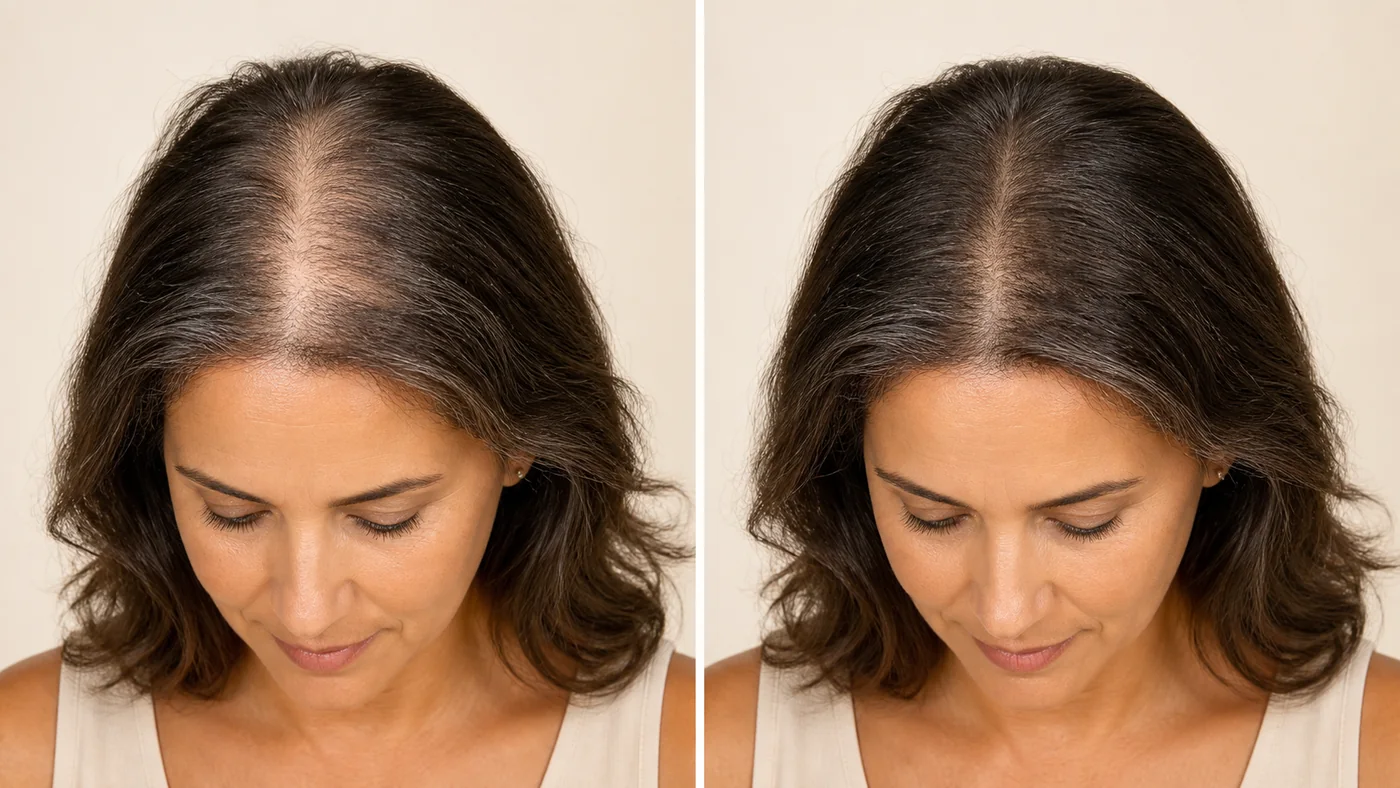
Early goals may include reduced shedding or improved hair caliber before a dramatic visual change in coverage is apparent. Standardized photographs, a consistent part and lighting, and an honest discussion of response are more useful than day-to-day mirror checks.
Setting a responsible expectation
Some patients may notice thicker-looking hair or improved density; others may have limited response. Advanced follicle loss, scarring conditions, or an untreated medical cause can reduce the likelihood of improvement. PRP may also be part of a broader plan that includes medical evaluation or other evidence-based hair-loss treatments.